- Home
- Products
- Walking & Moving Support
- Wheelchairs
- Cerebral Palsy Wheelchair
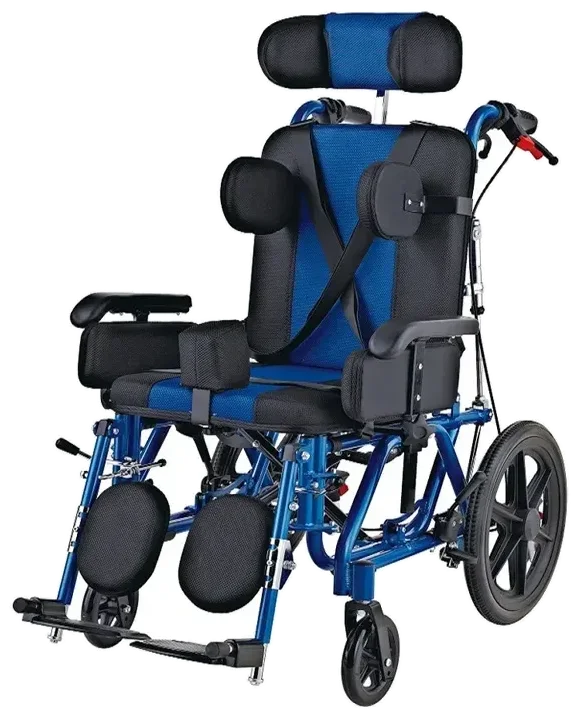
Cerebral Palsy Wheelchair
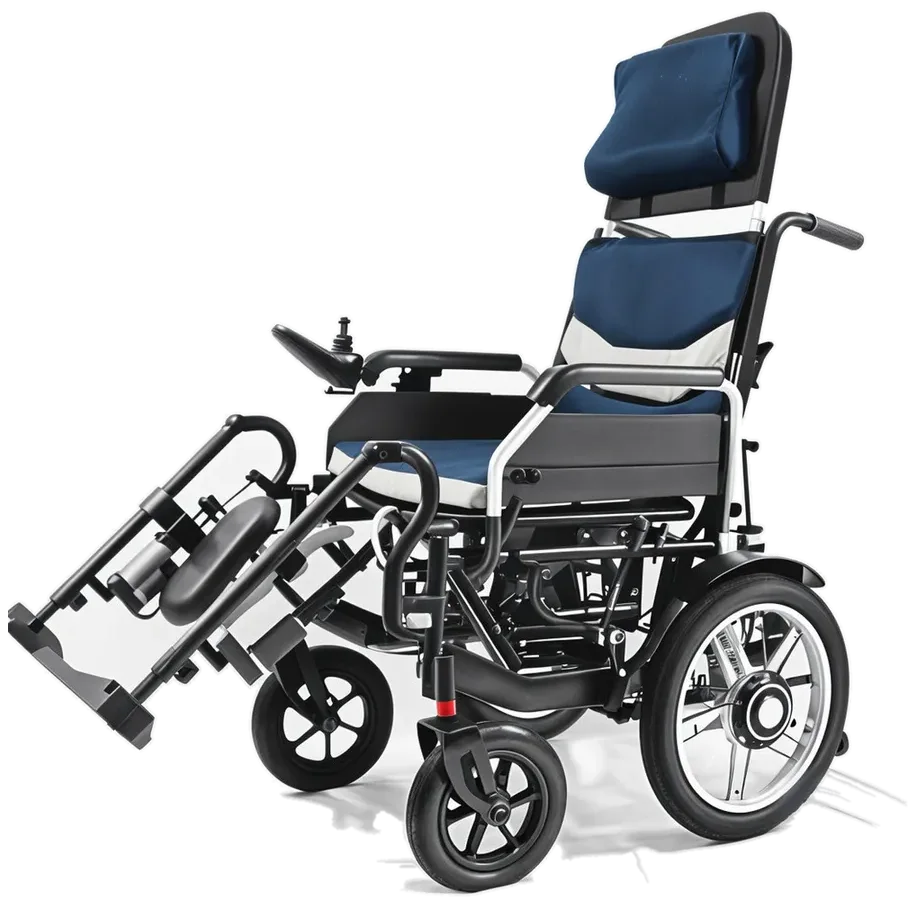
Celebral Palsy Wheelchair, Celebral Palsy is a special condition that is caused by abnormal development of the brain or damage to the developing brain that affects a child’s ability to control his or her muscles. Made from high quality aluminium. It can reclining high back. it seat can be tilted. Has a detachable armrest and elevating legrest.
- Delivery across Kenya
- Installation and biomedical consultation
- Manufacturer warranty
Specifications
| Cerebral Palsy Wheelchair | Specialized mobility aid designed for individuals up to 18 years with cerebral palsy, providing maximum support and comfort. |
|---|---|
| Adjustable Seat & Reclining Backrest | Ensures proper posture and customized comfort for the user. |
| Reinforced Frame | Strong and durable construction for long-term use. |
| Padded Headrest & Side Supports | Offers enhanced stability and head control. |
| Tilt & Recline Function | Allows for multiple positioning options to reduce pressure sores and improve circulation. |
| Secure Harness & Safety Straps | Keeps the user safely positioned during movement. |
| Smooth-Rolling Wheels | Designed for easy maneuverability both indoors and outdoors. |
| Item No. | Cerebral Palsy Wheelchair |
| Seat Height | 50.5cm |
| Overall Length | 97cm |
| Backrest Height | 45cm |
| Overall Width | 57cm |
| Front Wheel | 6” |
| Overall Height | 95cm |
| Rear Wheel | 16” |
| Seat Depth | 40cm |
| Net Weight | 21.4kg |
| Seat Width | 38cm |
| Loading Capacity | 100kg |
Description
What is cerebral palsy?
It s a congenital disorder of movement, muscle tone or position due to abnormal brain movement often before birth
It affects a person’s ability to move and maintain balance and posture
Cerebral means having to do with brain
Palsy means weak or problem with muscles
Causes of cerebral palsy
It is caused by brain injury or problem that occurs during pregnancy, birth or within the first 2 to 3 years of a child’s life.
It might be born premature, not getting enough blood, oxygen and nutrients before or during birth
Development
-Delay in reaching motor skills milestones
-Learning difficulties
-Intellectual disabilities
-Delay growth
It can also contribute to other neurological problems
Seizures
Difficulty hearing
Problems with visions and abnormal eye movement
Abnormal touch or pain sensations.
Statistics
Types of cerebral palsy
A) Spastic B) Athetoid C) Mixed cerebral palsy D) Ataxic E) Hypotonic
These types are classified based on mobility limitation and affected body parts.
Each type can vary in severity, symptoms and treatment.
Normally cerebral palsy does not have a cure but with better medical care and adaptive equipment they can survive a long time
It can finely affect a person’s ability to coordinate the muscles around the mouth and tongue.